What if the secret to a full night of rest isn’t found in a medicine cabinet, but in the precise timing of botanical flavonoids and terpenes? You’ve likely experienced the frustration of waking at 3 AM with racing thoughts, only to face a groggy “hangover” after relying on pharmaceutical sleep aids the night before. It’s exhausting to feel like your body has forgotten how to simply drift off and stay under. Finding the best tea for sleep is more than a search for a warm drink; it’s about reclaiming your biological right to restorative rest.
In this modern apothecary guide, you’ll discover how to use high-performance botanical blends to quiet your mind and deepen your nightly recovery. We’ll explore the most effective herbs for faster sleep onset and improved REM cycle quality. You’ll also learn why a sustainable ritual often requires more than just a standard tea bag, leading us to potent liquid solutions like YU SLEEP that bridge the gap between ancient herbal wisdom and modern wellness needs. It’s time to transform your evening routine into a powerful foundation for your long-term health.
Key Takeaways
- Learn how specific botanical compounds like Apigenin interact with your brain’s GABA receptors to quiet racing thoughts and lower cortisol levels naturally.
- Discover how to select the best tea for sleep by identifying the quality gap between mass-market tea bags and clinical-grade botanical extracts.
- Implement the “90-minute tea window” protocol to ensure your body absorbs restorative nutrients without the interruption of midnight bathroom trips.
- Explore the 2026 breakthrough of YU SLEEP, a high-performance formula designed to modernize the traditional apothecary approach to nightly recovery.
The Science of Sedation: Why Certain Herbs Quiet the Mind
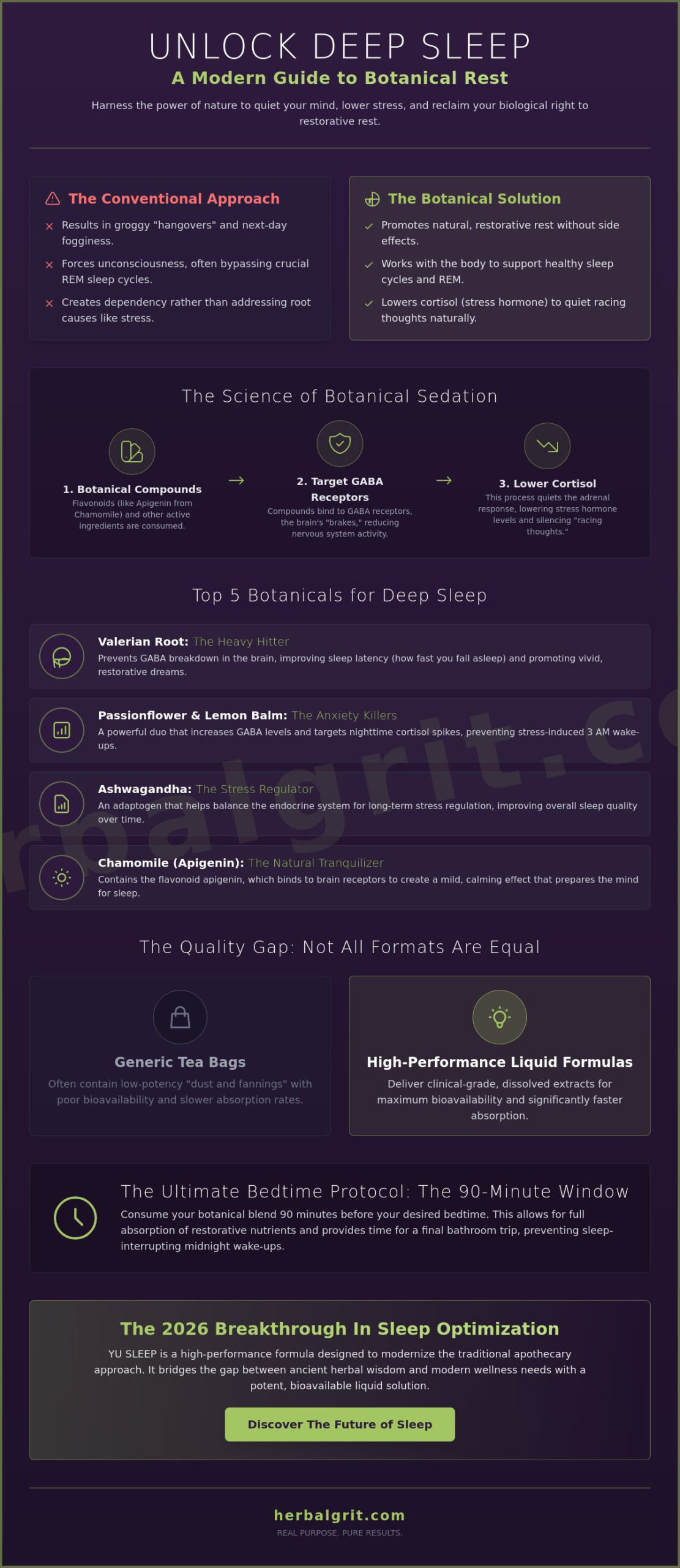
True rest isn’t a switch you flip; it’s a chemical environment you cultivate within your own body. To find the best tea for sleep, we have to look past the cozy steam and into the molecular dance happening in your mug. Many people reach for chamomile out of habit, yet few realize its power comes from a specific flavonoid called apigenin. This compound travels through the bloodstream and binds to GABA receptors in the brain. This creates a mild, natural tranquilizing effect that prepares the mind for slumber without the heavy “fog” often associated with synthetic aids.
There’s a vital difference between pharmaceutical sedation and botanical relaxation. Sedation often forces the brain into unconsciousness, which can bypass the critical REM cycles your brain needs to process emotions and memories. In contrast, a high-quality herbal tea focuses on lowering cortisol, your body’s primary stress hormone. By quieting the adrenal response, you aren’t just “knocked out.” You’re allowed to drift into a restorative state that mirrors the body’s natural rhythm. This distinction is why botanical solutions are increasingly preferred by those seeking a sustainable nightly ritual.
In 2026, wellness trends have shifted heavily toward liquid-state sleep aids because of bioavailability. When you drink your nutrients, the active compounds are already dissolved. This allows for much faster absorption through the digestive lining compared to a dry capsule that your stomach must work to break down. This immediate delivery system is why the best tea for sleep feels so effective; it begins working with your biology the moment it touches your palate.
The GABA Connection
GABA acts as the brain’s primary inhibitory neurotransmitter, essentially serving as the “brakes” for your nervous system. Valerian root is particularly effective in this process because it prevents the breakdown of GABA in the brain, keeping those “brakes” engaged for a longer duration. This sustained presence of GABA is what finally silences the “monkey mind” and those repetitive racing thoughts that tend to peak just as you hit the pillow.
Terpenes and Aromatherapy in Your Cup
Your sleep ritual begins before you take your first sip. Lavender-infused teas are rich in linalool, a terpene that signals the nervous system to shift from a “fight or flight” state into “rest and digest.” As the heat and steam from the cup rise, they carry these volatile compounds directly to your olfactory system. This synergistic effect of scent and warmth prepares your brain for rest through a gentle, sensory transition that pills simply can’t replicate.
Top 5 Botanical Ingredients for Deep Sleep
Selecting the best tea for sleep requires moving beyond the “dust and fannings” found in standard grocery store boxes. To truly impact your nightly recovery, you need botanicals that target specific biological pathways. Whether you struggle with falling asleep or staying awake until dawn, these five ingredients represent the pinnacle of modern herbalism. When you integrate these into a soothing teas for sleeping ritual, you aren’t just drinking a beverage; you’re signaling to your nervous system that the day’s demands have ended.
Valerian Root: The Heavy Hitter
Valerian is the cornerstone of any potent sleep blend. It possesses a distinct, earthy flavor profile that some find musky, which is why it’s frequently paired with peppermint or lemon balm to soften the taste. Scientific data, including Valerian research from the NCCIH, suggests that consistent use can significantly improve sleep latency, helping you fall asleep faster. Be mindful that its potency can lead to vivid dreams in some individuals. This is a sign of the herb’s deep reach into the REM cycle. The results are profound.
Passionflower and Lemon Balm: The Anxiety Killers
If your mind races the moment the lights go out, this duo is essential. Passionflower works by increasing the levels of GABA in your brain, which supports a longer, uninterrupted sleep duration. Lemon balm complements this by specifically targeting nighttime cortisol spikes. Together, they create a protective barrier against the stress-induced wakefulness that often leads to that dreaded 3 AM ceiling stare. For those who need a more concentrated approach to this botanical synergy, exploring a high-performance formula like YU SLEEP can provide the precision these raw herbs sometimes lack.
Ashwagandha and Magnesium-Rich Infusions
Ashwagandha has emerged as a 2026 favorite for its role in long-term stress regulation. It helps balance the endocrine system, ensuring your body doesn’t stay in a state of high alert. This pairs perfectly with magnesium-rich infusions like stinging nettle or oatstraw. Magnesium is often the missing link in sleep routines; it facilitates muscle relaxation and supports the cellular energy needed for overnight repair. Understanding this connection is part of a broader metabolic support strategy that ensures your body has the minerals required for the best tea for sleep to perform at its peak.
Generic Tea Bags vs. High-Performance Sleep Formulas
Finding the best tea for sleep often leads people to the colorful boxes on supermarket shelves. While these options offer a pleasant ritual, they frequently fall short of providing a therapeutic effect. The primary reason is the “potency gap” between mass-market products and professional-grade botanical formulas. Most commercial tea bags contain what the industry calls “dust and fannings,” which are the tiny, broken pieces of leaves left over after the high-quality whole leaves have been processed. These fragments have a high surface area, which leads to rapid oxidation and the loss of the essential oils that actually support rest.
Standardized extracts offer a level of certainty that raw botanicals in a bag cannot always provide. In a professional wellness context, the quality of a supplement is often measured by its performance and demand in the market, sometimes referred to by industry experts through metrics like EPC (Earnings Per Click). This reflects how well a formula actually solves a problem for the consumer. When you choose a high-performance formula, you aren’t just buying dried plants; you’re investing in a delivery system designed to ensure that the active compounds, like apigenin or valerenic acid, are present in every serving.
The Problem with Mass-Market Tea Bags
Oxidation is the silent enemy of herbal potency. By the time a generic tea bag reaches your cup, it might have been sitting in a warehouse for months, losing its biological strength. Many of these products also rely on “natural flavors” to compensate for the lack of actual botanical oils. These additives might smell like lavender or chamomile, but they don’t interact with your nervous system. Without a therapeutic dose of the raw ingredients, these teas act more like a placebo than a functional tool for insomnia.
Why Synergistic Blends Outperform Single Herbs
Modern herbalism relies on the “Entourage Effect,” where multiple ingredients work together to produce a result greater than the sum of their parts. A single herb might target one pathway, but a synergistic blend of five or six ingredients can address cortisol, GABA receptors, and muscle tension simultaneously. High-potency products, such as the YU SLEEP March 2026 formula, use this multi-pathway approach to ensure deeper recovery. These advanced sleep offers are often presented through educational Video Sales Letters (VSLs) that explain the specific science behind why these concentrated liquid blends outperform the best tea for sleep found in a standard grocery aisle.
The Ultimate Bedtime Protocol: Timing and Preparation
Even the highest quality botanical blend requires a disciplined protocol to be effective. The best tea for sleep isn’t just about what’s in the cup, but when that cup reaches your lips. Timing your intake with your body’s natural circadian rhythm ensures that the sedative compounds hit your system exactly when your internal clock begins its descent into rest. This ritualistic approach is why caffeine free tea for sleep has become a cornerstone of modern recovery in 2026. Without a specific timeline, you risk trading a quiet mind for a full bladder.
The 90-Minute Rule
Drinking a large mug of tea moments before your head hits the pillow is a common mistake. This often leads to nocturia, the disruptive need to wake and use the bathroom, which shatters your sleep architecture. Instead, aim for a “90-minute tea window.” By consuming 6 to 8 ounces of tea an hour and a half before lights-out, you give your kidneys time to process the fluid. This timing also supports thermoregulation. The warmth of the tea encourages vasodilation, helping your body shed core heat and triggering the natural cooling response necessary for deep sleep onset.
Brewing for Potency
To extract the full range of therapeutic benefits, you must respect the botanical’s structure. Delicate flowers like chamomile or passionflower only require 5 to 7 minutes in water just off the boil. Tougher roots like valerian or ashwagandha need a longer steep of 10 to 15 minutes to release their dense medicinal compounds. Always cover your mug with a lid or saucer while steeping. This prevents the volatile essential oils, the very terpenes that quiet the mind, from escaping with the steam. It’s a simple step that preserves the “spirit” and the science of the plant.
The best tea for sleep should be consumed in its purest form. Avoid adding refined sugars or heavy honey, as these cause insulin spikes that can lead to a “sugar crash” wake-up call in the middle of the night. If you find the process of measuring and steeping too cumbersome for your nightly wind-down, consider a more precise delivery system. You can optimize your nightly recovery with YU SLEEP, which provides a standardized botanical dose without the guesswork of traditional brewing. This ensures your body receives exactly what it needs for deep, restorative rest every single night.
YU SLEEP: The 2026 Breakthrough in Sleep Optimization
The evolution of the nightly ritual has moved beyond the simple steeping of leaves. While we’ve explored how a traditional cup can be the best tea for sleep, modern health challenges often require a more concentrated approach. YU SLEEP represents the next step in this journey, bridging the gap between ancient botanical wisdom and the rigorous purity standards of 2026. It’s designed for the individual who has tried every herb in the apothecary but still finds themselves staring at the clock at 3 AM. By targeting the systemic root causes of wakefulness, this formula offers a level of consistency that raw, unstandardized plants often struggle to provide.
This breakthrough isn’t about pharmaceutical sedation; it’s about supporting your body’s inherent ability to recover. As we discussed in previous sections, the potency gap in mass-market products leaves many seekers frustrated. YU SLEEP addresses this by delivering a high-performance liquid blend that honors the botanical softness your nervous system craves while providing the rugged endurance needed to stay asleep all night. It’s a precise delivery system for the modern age.
Beyond the Tea Bag: The YU SLEEP Formula
Convenience shouldn’t come at the cost of efficacy. This advanced solution bypasses the oxidation issues found in dry tea bags, offering a fresh, bioavailable liquid that the body can use immediately. Its massive market demand and high EPC among wellness professionals serve as a testament to its reliability. For those ready to move past the limitations of grocery store infusions, the YU SLEEP offer provides a sophisticated alternative that fits seamlessly into a disciplined nightly routine. It’s the logical choice for anyone who views sleep as a non-negotiable pillar of their health.
A Synergistic Approach to Mental Clarity
Restorative rest is the foundation of cognitive resilience. When you achieve deep, uninterrupted sleep, your brain can finally perform the essential “housekeeping” required for memory consolidation and sharp focus. This creates a powerful synergy with other wellness pillars. For instance, pairing a solid sleep foundation with the Synaptigen brain health guide can amplify your mental performance during the day. Waking up refreshed isn’t just a pleasant feeling; it’s the first step to peak cognitive function. By choosing the best tea for sleep or a high-performance liquid equivalent, you’re investing in the clarity and vitality of your future self.
Reclaiming Your Nightly Recovery
True rest is a deliberate practice that begins long before you close your eyes. By understanding the science of GABA receptors and respecting the 90-minute window for fluid intake, you’ve already moved beyond the guesswork of standard bedtime routines. You’ve learned that finding the best tea for sleep is less about grocery store convenience and more about the potency of standardized botanical extracts. These high-performance formulas ensure that your body receives the therapeutic dose required to silence racing thoughts and maintain deep REM cycles throughout the night. It’s a shift from merely “knocking yourself out” to truly nourishing your nervous system.
If you’re ready to leave behind the 3 AM wake-up calls and the grogginess of pharmaceutical aids, it’s time to embrace the latest in botanical synergy. As the most trusted sleep offer of March 2026, YU SLEEP is designed for rapid onset and zero morning hangover. Its proprietary formula bridges the gap between traditional apothecary wisdom and modern health standards. Experience Deep Rest with YU SLEEP: The #1 Sleep Formula for 2026 and wake up with the mental clarity you deserve. Your journey to restorative rest is just a single nightly ritual away.
Frequently Asked Questions
What is the absolute best tea for sleep if I have chronic insomnia?
Valerian root is the most potent botanical for chronic insomnia because of its high concentration of valerenic acid. It acts as a natural sedative by preventing the breakdown of GABA in the brain, which helps quiet the nervous system. While single herbs are helpful, many people find that a standardized liquid formula like YU SLEEP provides a more reliable and concentrated dose for persistent sleep challenges.
Can I drink green tea before bed if it is decaffeinated?
You can drink decaffeinated green tea before bed, but be aware that “decaf” doesn’t mean “caffeine-free.” Most decaffeinated green teas still contain trace amounts of stimulants that can disrupt sensitive individuals. While the L-theanine in green tea promotes relaxation, it’s usually better to choose a naturally caffeine-free herbal tisane to ensure your sleep architecture remains completely undisturbed throughout the night.
How long before bed should I drink my tea to avoid waking up to pee?
You should finish your tea approximately 90 minutes before you plan to sleep. This specific window allows your body to process the fluid and gives you enough time to empty your bladder before you get into bed. By limiting your serving to about 8 ounces and sticking to this timeline, you can enjoy the benefits of the best tea for sleep without the frustration of midnight bathroom trips.
Is it safe to drink valerian root tea every single night?
Valerian root is generally safe for nightly use for up to six weeks for most healthy adults. It’s a resilient herb, but your body can eventually build a tolerance to its sedative effects if used indefinitely without a break. To maintain its efficacy, consider cycling your botanicals or using a synergistic blend that targets multiple pathways so your system doesn’t rely on a single ingredient for rest.
Do sleep teas actually work better than melatonin supplements?
Sleep teas often work better for staying asleep because they address physical tension and high cortisol, whereas melatonin only signals the brain to start the sleep cycle. Many users prefer the best tea for sleep because it provides a gentle transition into rest without the vivid nightmares or morning grogginess sometimes caused by hormonal supplements. Herbs offer a more nurturing way to support the body’s natural recovery processes.
What happens if I steep my sleep tea for too long?
Steeping your tea for too long often results in a bitter, astringent flavor due to the over-extraction of tannins. While a longer steep is necessary for tough roots to release their medicinal compounds, delicate flowers like chamomile can become unpalatable if left in hot water for more than ten minutes. Follow the specific brewing times in our protocol to ensure you’re getting the right balance of potency and taste.
Can I add honey or sugar to my bedtime tea without ruining its effect?
You should avoid adding refined sugar or large amounts of honey because they can cause insulin spikes that disrupt your sleep later in the night. A sudden rise in blood sugar is often followed by a crash, which can trigger the release of cortisol and wake you up at 3 AM. If you prefer a sweeter taste, use a tiny amount of raw honey or choose naturally sweet herbs like licorice root.
Are there any teas I should strictly avoid before going to sleep?
You must strictly avoid any teas derived from the Camellia sinensis plant, such as black, oolong, or white tea, because they all contain caffeine. You should also be cautious with yerba mate and certain “weight loss” teas that often contain hidden stimulants. Always check your herbal labels to ensure they’re purely botanical and don’t include any ingredients that might interfere with your body’s ability to reach deep REM cycles.